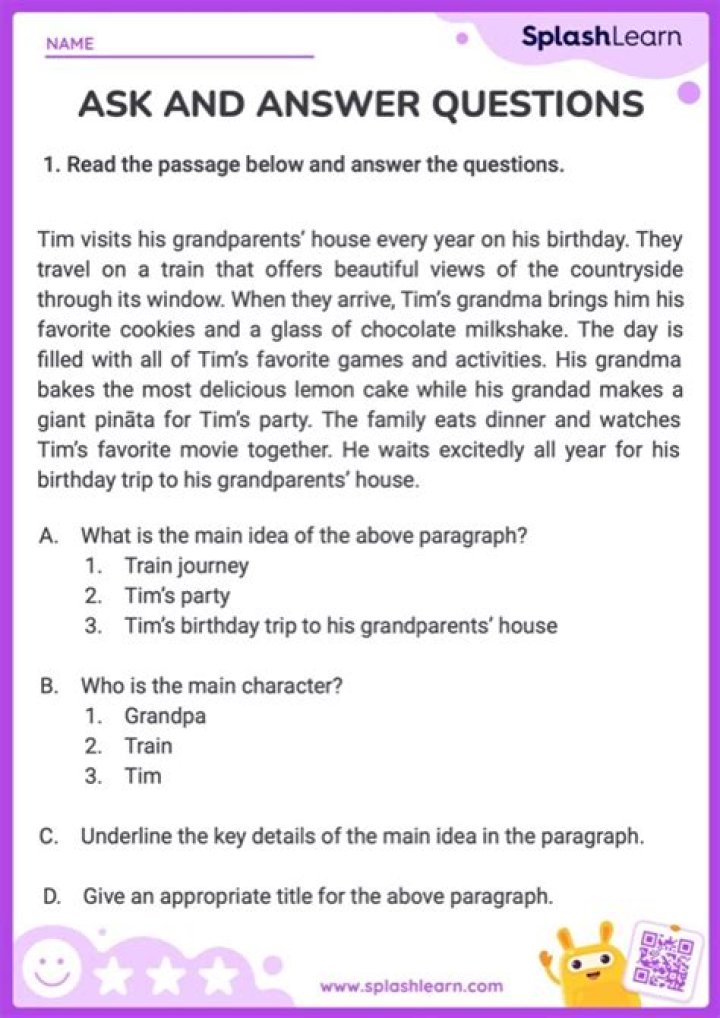
In a world where communication is key, the ability to answer questions or ask a question effectively is an invaluable skill. Whether in personal relationships, professional settings, or even casual interactions, the way we communicate shapes our connections with others. Questions are not merely tools for gathering information; they are gateways to deeper understanding, empathy, and engagement. In this article, we will explore the nuances of asking and answering questions, the impact of different types of questions, and tips for improving our conversational skills.
When we answer questions or ask a question, we are participating in a dance of dialogue that can lead to meaningful exchanges. This article will delve into the importance of questions in various contexts, the art of crafting the right question, and how to respond in ways that foster further conversation. By the end, you will gain insights into transforming your interactions through thoughtful questioning and answering techniques.
Moreover, the nature of a question can change the entire dynamic of a conversation. From open-ended inquiries that invite expansive responses to closed questions that require specific answers, understanding the difference can enhance your ability to communicate effectively. Join us as we navigate this essential aspect of human interaction and learn how to master the art of questioning and responding.
What is the Importance of Asking and Answering Questions?
Asking and answering questions are fundamental components of effective communication. Here are some reasons why they are important:
- Promote clarity and understanding
- Encourage participation and engagement
- Foster critical thinking and reflection
- Build relationships and trust
How Do Questions Shape Our Conversations?
Questions serve as the building blocks of dialogue. They guide the flow of conversation and determine its depth. Depending on how they are framed, questions can:
- Encourage open dialogue
- Direct attention to specific topics
- Reveal emotional and intellectual insights
What Types of Questions Can We Use?
There are several types of questions that can be utilized in conversation:
- Closed Questions: Require a simple yes or no answer.
- Open-Ended Questions: Invite more elaborate responses and discussion.
- Probing Questions: Seek deeper understanding and clarification.
- Leading Questions: Suggest a particular answer or direction.
Who Benefits from Answering Questions Effectively?
Effective answering of questions is beneficial for various individuals and groups:
- Students and educators in learning environments
- Professionals in interviews and meetings
- Therapists and counselors in therapeutic settings
- Friends and family in personal relationships
What Strategies Can We Use to Answer Questions Thoughtfully?
Here are some strategies for responding to questions in a meaningful way:
- Listen carefully to understand the context of the question.
- Take your time to formulate a thoughtful response.
- Be honest and transparent in your answers.
- Follow up with related questions to keep the conversation flowing.
How Can We Improve Our Questioning Skills?
Improving questioning skills can enhance communication. Here are some tips:
- Practice Active Listening: Pay attention to what others are saying before formulating your questions.
- Be Curious: Cultivate a genuine interest in the thoughts and feelings of others.
- Observe Non-Verbal Cues: Notice body language and tone to tailor your questions accordingly.
- Engage in Reflective Thinking: Consider the implications of your questions and how they relate to the conversation.
What Role Does Body Language Play in Asking and Answering Questions?
Body language is a crucial aspect of communication that can enhance or undermine verbal exchanges. When asking or answering questions, consider the following:
- Maintain eye contact to convey interest and confidence.
- Use gestures to emphasize points and engage your audience.
- Be mindful of your posture—open and relaxed body language fosters a welcoming atmosphere.
Can Technology Enhance Our Ability to Ask and Answer Questions?
In today's digital age, technology can facilitate communication in various ways:
- Online forums and Q&A platforms allow people to seek and share knowledge.
- Video conferencing tools enable face-to-face conversations regardless of location.
- Social media provides a platform for asking questions and engaging with a broader audience.
What Are Common Barriers to Effective Questioning and Answering?
Despite the benefits of asking and answering questions, several barriers can hinder effective communication:
- Fear of judgment or criticism
- Lack of confidence in one's knowledge or abilities
- Cultural differences in communication styles
- Distractions in the environment that impede focus
In conclusion, the ability to answer questions or ask a question is a vital skill that enhances personal and professional interactions. By understanding the importance of questions, refining our communication techniques, and being mindful of the dynamics at play during conversations, we can foster deeper connections and enrich our relationships. Engage actively in the art of questioning and answering, and witness the transformative power of effective communication in your life.
Exploring The Captivating World Of Paloma Rae Estevez Movies
Exploring The Madison Beer Date: Love Life Of A Rising Star
Discovering Jamal Musiala's Age: A Rising Star In Football
