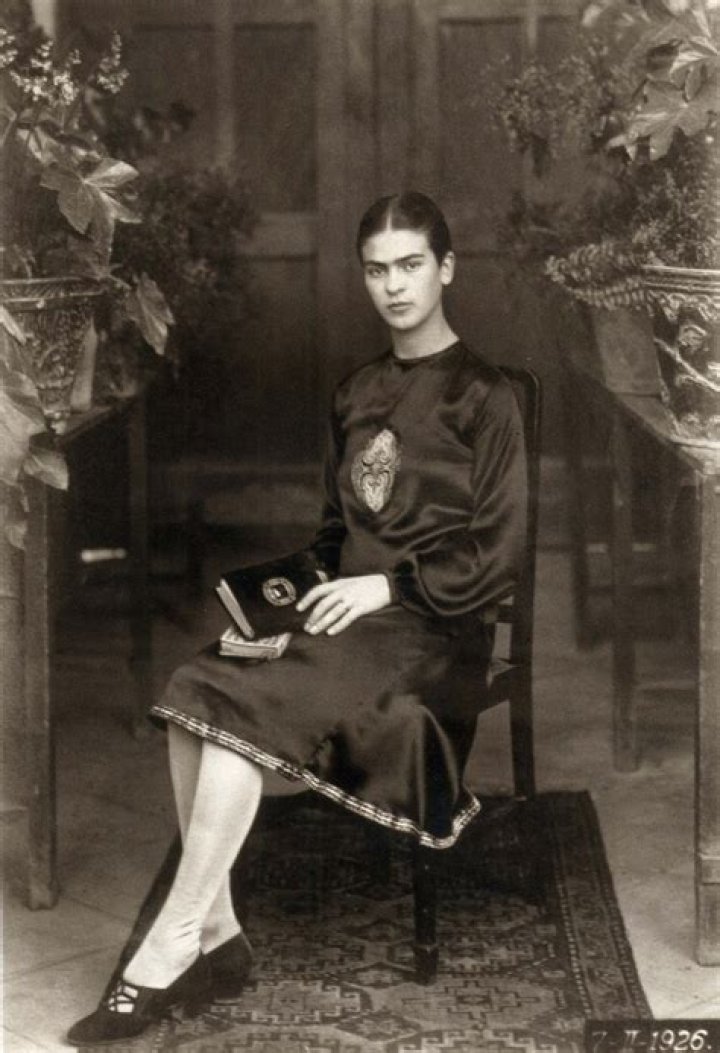
Exploring the Identity of Frida Kahlo’s Parents
Discover the roots of Frida Kahlo’s lineage. Dive into the historical narrative that connects Frida Kahlo to her parents, Guillermo Kahlo and Matilde Calderon y Gonzalez. Frida Kahlo, the celebrated Mexican painter, graced the world with her presence on July 6, 1907.
Birth Name | Magdalena Carmen Frida Kahlo y Calderon |
Nickname | Frida Kahlo |
Date of Birth | 6 July 1907 |
Age | 47 Years Old (at the time of his death) |
Height | 5 feet 6 inches (167 cm) |
Weight | 60 kg (132 lbs) |
Place of Birth | Coyoacan, Mexico City, Mexico |
Gender | Male |
Occupation | Mexican painter |
Nationality | Mexican |
Eye Color | Dark brown |
Hair Color | Black |
Education | Escuela Nacional Preparatoria,Colegio Aleman Alexander von Humboldts |
Zodiac Sign | Cancer |
Parents | Guillermo Kahlo And Matilde Calderon y Gonzalez |
Spouse | Diego Rivera |
From Tragedy to Triumph: The Life of Frida Kahlo
Immerse yourself in the life story of Frida Kahlo, the visionary artist born on July 6, 1907, in Coyoacán, Mexico City. Her artistic prowess revolutionized the landscape of art, leaving an indelible mark that endures.
Despite encountering numerous adversities in her formative years, including contracting polio at the age of six, Frida’s resilient spirit prevailed. A fateful bus accident in 1925 further tested her mettle, resulting in severe injuries that fueled her artistic journey toward self-expression and healing.
Frida’s artistic oeuvre bore the essence of her personal trials and the rich tapestry of Mexican culture. Through vibrant self-portraits imbued with symbolic motifs, she unveiled her innermost struggles and triumphs, weaving a visual narrative of unparalleled depth.
The turbulent yet passionate union with fellow painter Diego Rivera profoundly influenced her creations. Their love story, characterized by fervor and tumult, manifested in Frida’s poignant exploration of love, betrayal, and heritage through her art.
By the 1940s, Frida’s artistic brilliance garnered international acclaim, cementing her status as an icon of the art world. Her exhibitions in Mexico and the U.S. captivated audiences, showcasing her unwavering talent amidst physical and emotional turmoil.
Frida’s untimely demise at 47 in 1954 marked the end of a luminous era, but her legacy transcends time, inspiring generations with her unwavering dedication to truth and artistry. Her profound impact stands as a testament to her enduring spirit and unparalleled gift for expressing the human experience.
The Enduring Legacy of Frida Kahlo: A Biography
Embark on a captivating exploration of the remarkable life of Magdalena Carmen Frida Kahlo y Calderón. Born on a radiant day, July 6, 1907, in Coyoacán, Mexico City, Frida Kahlo’s artistic journey captivated the world with its brilliance.
Frida’s life was a symphony of passion, resilience, and creativity. A testament to her strength emerged early on when she confronted the aftermath of polio at six, followed by the harrowing bus accident of 1925 that left her with life-altering injuries. Amidst adversity, Frida channeled her anguish into art, crafting a narrative of courage and defiance.
Frida’s artistry served as a mirror to her soul, reflecting themes of identity, gender, and cultural heritage through vibrant hues and intricate symbolism. Her tumultuous relationship with Diego Rivera fueled her creativity, resulting in masterpieces that captured the essence of love’s complexities.
By the 1940s, Frida’s star ascended to unparalleled heights as her art captivated global audiences. Exhibitions in Mexico and the U.S. heralded her as a visionary, despite her personal struggles. Her legacy endures, inspiring artists and enthusiasts worldwide with her unyielding commitment to artistic expression.
Though Frida’s flame dimmed prematurely at 47 in 1954, her spirit lives on, an eternal muse for those who seek truth and beauty in art. Her journey remains a beacon of resilience and creativity, illuminating the path for future generations to embrace their authenticity and creative fervor.
The Timeless Aura of Frida Kahlo: An Insight into Her Ageless Spirit
Explore the vibrant legacy of the iconic Mexican artist, Frida Kahlo, whose life exuded passion, creativity, and perseverance. Born on July 6, 1907, in Coyoacán, Mexico City, Frida ignited the world with her boundless spirit and captivating artistry.
Frida Kahlo, a renowned Mexican painter, left an enduring impact on the art world before her untimely passing on July 13, 1954, in her beloved hometown of Coyoacán, Mexico City, at the age of 47.
Her life, though brief, was marked by remarkable achievements. She channeled her personal struggles and experiences into art that resonated globally. Frida’s artistic journey was fueled by physical and emotional hurdles, including battling polio at age six and surviving a traumatic bus accident in 1925 that left her with severe injuries and chronic pain.
Despite these challenges, Frida’s artistic brilliance shone through her introspective self-portraits and evocative works inspired by Mexican culture. Her paintings delved into themes of identity, love, pain, and Mexican heritage, inviting viewers into her world and sparking their imaginations.
Frida Kahlo made a profound impact on the art world during her relatively short life. Her art gained international recognition in the 1940s, with exhibitions in Mexico and the United States earning critical acclaim and a devoted following. Today, her paintings continue to captivate audiences and inspire artists, ensuring her legacy endures.
While Frida’s time on Earth was brief, her artistic contributions transcended her age, showcasing her ability to express truth through her work. Her passion and talent continue to inspire people worldwide, emphasizing that the power of art knows no boundaries, even in the face of time constraints.
###Frida Kahlo Height and Weight
Frida Kahlo, standing at 5 feet 6 inches (167 cm), was not only known for her artistic prowess but also for her physical presence that commanded attention.
Her weight was approximately 60 kg (132 lbs), placing her within a healthy range relative to her height on the body mass index (BMI) scale. Despite the physical challenges she endured from the bus accident in her youth, Frida maintained a relatively stable weight throughout her life.
It is essential to understand that Frida’s height and weight were just one aspect of her multifaceted persona. They provided physical parameters within which her artistic expression flourished. Her unique style and introspective self-portraits enabled her to delve into themes of identity, pain, and love, transcending physical attributes and captivating audiences globally.
Frida Kahlo’s legacy extends beyond mere numbers, encompassing her artistry, resilience, and ability to convey profound emotions through her work, resonating with individuals from all walks of life regardless of height or weight.
###Frida Kahlo Nationality
Proudly Mexican, Frida Kahlo’s nationality played a significant role in shaping her identity and artistic expression. Born on July 6, 1907, in Coyoacán, Mexico City, Frida embodied the vibrant spirit of her native country through her life and work.
As a Mexican national, Frida drew inspiration from Mexico’s rich cultural heritage and traditions. Infusing her artwork with elements of Mexican folk art, such as vibrant colors, intricate patterns, and symbolic imagery, Frida’s paintings often depicted traditional Mexican clothing, indigenous motifs, and references to Mexican history.
Moreover, Frida’s Mexican identity went beyond the aesthetics of her art, deeply rooted in her country’s political and social landscape. Alongside her husband, Diego Rivera, she actively engaged in the Mexican Communist Party, advocating for leftist causes. Her passion for Mexico and its people resonated in her art, exploring themes of national identity, Mexican folklore, and the struggles of the working class.
Frida Kahlo’s nationality was a vital thread woven throughout her life and art, celebrating Mexico’s beauty, complexity, and resilience while leaving an indelible mark on the global art scene.
###Frida Kahlo Career
Frida Kahlo’s artistic career was a blend of triumphs and challenges, solidifying her unique style and powerful self-expression in art history. Despite facing physical and emotional hurdles, Frida’s passion for painting blossomed, propelling her towards international acclaim.
Following a debilitating bus accident in 1925, Frida turned to art as a means of coping, encouraged by her husband Diego Rivera to refine her skills and find her artistic voice. Her career flourished in the 1940s as her paintings gained attention and critical praise.
Personal and emotive, Frida’s art often featured her own image in self-portraits that revealed her innermost emotions and experiences. Vibrant colors, intricate symbolism, and meticulous attention to detail characterized her works, serving as a visual diary exploring identity, gender, love, and physical suffering.
Frida’s art transcended borders, exhibited in the United States, France, and Mexico, where it garnered admiration from art enthusiasts and critics alike. Her distinct perspective and unwavering honesty resonated with audiences, establishing her as one of the most celebrated artists of the 20th century.
Frida Kahlo’s career not only showcased her artistic achievements but also her pivotal role as a female artist in a male-dominated field. Breaking gender barriers, challenging societal norms, she paved the way for future generations of women artists.
Though her life was cut short, Frida’s artistic legacy continues to inspire and captivate audiences globally, her paintings serving as powerful testaments to her talent, resilience, and unwavering dedication to expressing truth through art.
####Disclaimer
The above information is provided for general informational purposes only. While we strive for accuracy and reliability, we make no representation or warranty concerning the completeness, accuracy, adequacy, validity, or availability of any information on the Site.
