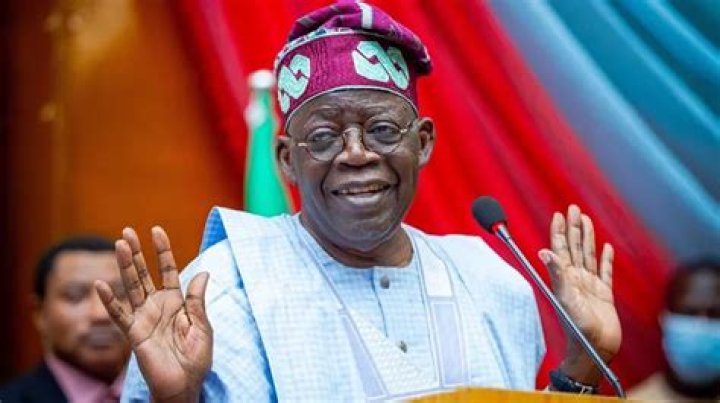
President Bola Tinubu is taking measures to tackle the challenges stemming from the reforms introduced by the administration across various sectors of the economy. The Special Adviser to the President on Information and Strategy, Bayo Onanuga, revealed this in a statement on Saturday in Abuja, emphasizing that additional measures will be implemented in 2024.
Tinubu has not shied away from acknowledging the temporary hardships brought about by the reforms and is committed to proactively addressing them. Onanuga expressed that many measures are already being taken to mitigate the impact of the reforms and anticipates that in the New Year, significant improvements will be experienced by all Nigerians.
The removal of fuel subsidy and the initiative to harmonize foreign exchange rates are two pivotal reforms introduced during the tenure of the Tinubu administration, with Onanuga attributing the challenges such as high fuel prices and the depreciation of the Naira to these reforms.
Acknowledging the economic difficulties being faced currently, Onanuga highlighted that they are not solely attributable to the new policies, but also a result of the prevailing conditions prior to Tinubu assuming office. The administration inherited a substantial budget deficit and faced constraints in foreign reserve inflows, among other economic challenges.
Despite the current situation, there are positive indications as reflected in the National Bureau of Statistics report for the third quarter of 2023, signaling a GDP growth of 2.54%. The president remains steadfast in his commitment to steering the economy towards growth, development, and prosperity.
The service sector played a significant role in the GDP growth witnessed in Q3, with notable growth in various industries such as construction, real estate, and mining. Additionally, there was a considerable rise in trade volume and trade surplus, along with a surge in the value of exports, particularly in crude oil.
Tinubu’s administration’s efforts to enhance the security of oil infrastructure and operations has led to an improved production in the oil sector, contributing to the positive developments in the economy.
Overall, the administration is striving to address the challenges arising from the reforms and work towards economic revitalization and growth for the benefit of all Nigerians.
