Answer
- Yes, Google Family Link does work on Windows 10.
- It’s a great way to keep track of your kids’ online activity and set screen time limits.
How to Set Up Google Family Link | Google’s Parental Controls App Step By Step Tutorial (2022)
Protect Your Kids With Parental Controls On Windows 10
Does Google Family Link work on PC?Yes, Google Family Link does work on Windows 10. It’s a great way to keep track of your child’s online activity, set screen time limits, and more.
Can Family Link be used on Windows 10?Yes, Family Link can be used on Windows 10. You’ll need to install the Family Link app on your child’s device and create a Google account for them. Then, you’ll be able to manage their settings and see how they’re doing online.
Does Family Link work on laptop?Yes, Family Link works on laptops. You can use Family Link to manage your child’s Google Account on a laptop, as well as other devices.
How do I download Google Family Link on my computer?To download Google Family Link on your computer, visit the Google Family Link website and click on the “Download” button. Follow the instructions to install the app on your computer.
How do I put parental controls on Windows 10?There are a few different ways to do this, but the easiest is to use the built-in Family Safety features. To do this, open the Settings app and go to Accounts > Family & other people. Under “Your family,” click “Add a family member.” Enter the email address or phone number of the person you want to add, and they will receive an invitation to join your family.
Is there a Windows 11 coming out?There is no Windows 11 coming out. Microsoft has already announced that they are moving to a Windows as a Service model, and will not be releasing any new versions of Windows.
Can a 12 year old have a Microsoft account?Yes, a 12 year old can have a Microsoft account. To create an account, the child will need to provide their name, birthdate, and email address. They will also need to create a password.
How do I add a child account to Windows 10 without email?To add a child account to Windows 10 without email, you’ll need to create a local user account. To do this, open the Settings app and go to Accounts > Family & Other people. Under “Other people” click the “Add someone else to this PC” button. Enter the child’s name and click Next. On the next screen, select “I don’t have this person’s sign-in information.” Click Next.
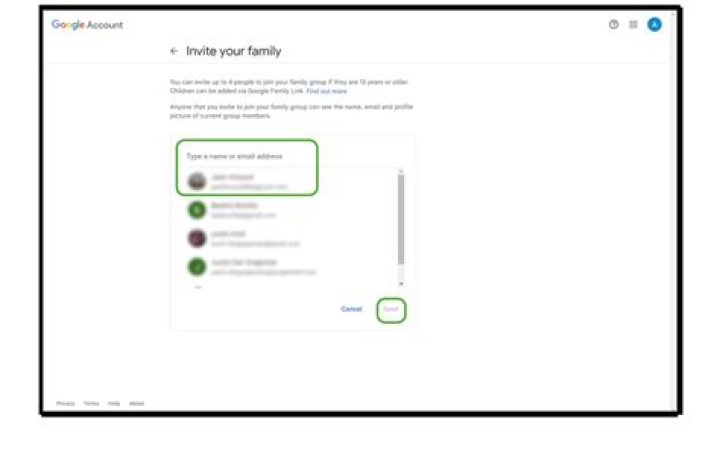
How do I connect my laptop to Family Link?To connect your laptop to Family Link, you’ll need to create a family group and add your child’s Google account to it. Then, on your laptop, open chrome and sign in to your child’s Google account. In the top right corner of the screen, you’ll see a button that says “Add to Home Screen.” Click on it, and your child’s Google account will be added to your laptop’s home screen.
How do I child proof my laptop?There is no one-size-fits-all answer to this question, as the best way to child proof a laptop will vary depending on the child’s age and abilities. However, some tips to child proof a laptop include:
• Installing parental controls software that can limit the websites a child can visit and the amount of time they can spend on the computer.
• Placing the laptop in a location that is out of reach, such as on a high shelf.
Yes, there are a number of parental control software options that can be installed on a PC. Some popular options include Net Nanny, Qustodio, and FamilyTime. These programs allow parents to set time limits, filter websites, and monitor activity.
Does Microsoft family safety work with Chrome?Yes, Microsoft family safety can be used with Chrome. It’s a good way to keep track of your kids’ online activity and set rules for how they can use the internet.
Is there a window 13?There is no window 13. superstition has it that 13 is an unlucky number, so many buildings and hotels don’t have a room 13.
Is Windows 11 Pro free?Windows 11 Pro is not free. It is a paid upgrade from Windows 10.
Will Windows 12 be a free update?Windows 12 will likely be a free update, as Windows 10 was. Microsoft has been moving towards a model of providing software as a service, rather than as a product that users have to purchase. This shift is likely motivated by the need to stay competitive in a market where free operating systems like Linux are gaining ground.
